

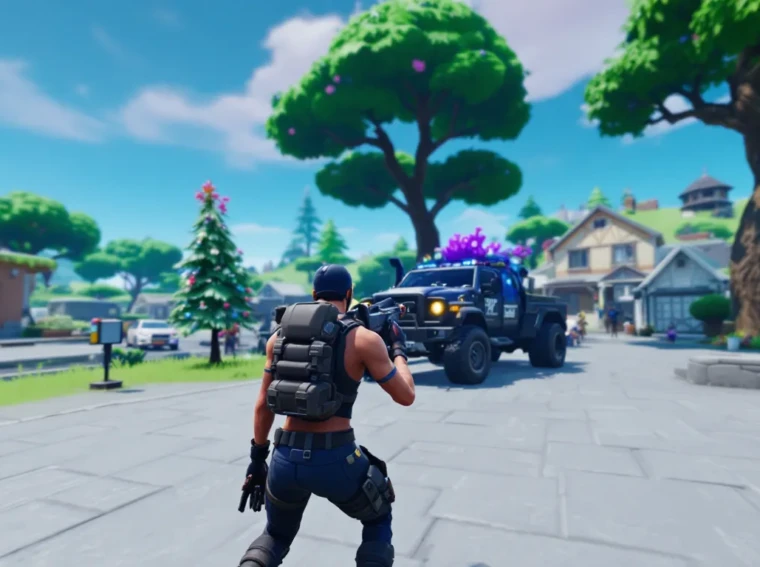
Fortnite’s 2026 map overhaul marks one of the most significant island redesigns since Chapter 2. Epic Games has completely reshuffled poi layouts, introduced dynamic environmental mechanics, and added new traversal options that fundamentally shift how players approach early, mid, and late-game rotations. Whether you’re grinding ranked or chasing wins in casuals, understanding the new geography isn’t optional, it’s essential. This guide breaks down every major change, uncovers the best landing spots, and shows you how to adapt your strategy to dominate on the new island.
Key Takeaways
- Fortnite’s 2026 map overhaul completely reshuffles POI layouts, storm rotations, and material availability, making old map knowledge obsolete and requiring players to adapt their strategies for competitive success.
- High-value landing spots like Crimson Fortress, Arcane Labs, and Luminous Docks offer different risk-reward ratios, with secondary unnamed locations providing consistent loot without contest for efficient farming.
- Master new traversal mechanics including Launch Pads 2.0, permanent Grappling Hooks, and the Momentum system to open previously unavailable rotation routes and gain positional advantages.
- Optimal resource gathering prioritizes wood first (shields), then brick (structural stability), and metal (late-game durability), with experienced players maintaining 300+ wood, 200+ brick, and 100+ metal during mid-game phases.
- Late-game positioning now depends on reading dynamic storm patterns, managing electrical storms that force building repositioning, and maintaining high-ground control in final zones where terrain elevation determines survival.
- Invest 20-30 focused hours exploring Team Rumble, identifying preferred landing spots, and practicing farming sequences to internalize new geography and rotation timing before grinding ranked matches.
What Changed With Fortnite’s Latest Map Update
The new map isn’t just a fresh coat of paint. Epic Games rebuilt terrain elevation, repositioned named locations, and removed several landmarks that defined the previous island. Storm rotations now favor different areas, material availability has shifted, and rotation timings from center to edge have changed dramatically.
Key Map Redesigns and New Locations
Several iconic locations have been redesigned from the ground up. The central hub now features a massive industrial complex with multiple vertical levels, replacing the sprawling urban district from the last season. This new area offers tight sightlines and vertical play that rewards confident builders and aim-duelers.
Coastal regions have been completely reworked. The eastern beaches now include a resort area with spread-out compounds, replacing the flat, open design that made early rotations predictable. Northern areas feature new snow-themed pois with destructible structures, crucial for material farming early game.
The western territory gained a verdant jungle zone with organic terrain elevation and natural cover. This area encourages third-partying and chaotic fights due to limited sightlines and abundant foliage. Storm rotations frequently end here in later rings, making it a hotspot for late-game encounters.
Removed Areas and Nostalgic Landmarks
Several fan-favorite locations didn’t make the transition. The iconic desert region from Chapter 3 is completely gone, along with its signature pyramid structures. Epic Games removed the sprawling farm area in the southeast, replacing it with marshland terrain that heavily favors mobility items and water-based rotations.
The lighthouse landmark, a recognizable rotation point for competitive players, has been demolished. Veterans of the game will feel the loss, but the removal forces teams to find new reference points and adapt their route planning. The beachside boardwalk that once hosted early-game fights is now a sparse coastal wetland with minimal cover.
These removals aren’t mistakes: they’re intentional meta shifts. Epic designed them to eliminate predictable landing patterns and force players to explore new areas. If you relied on ghost pois or off-map rotations, you’ll need to rebuild your playbook entirely.
New Locations to Explore and Land
The new island introduces eight named pois, each with distinct loot distribution and rotational value. Understanding which spots offer the best loot-to-risk ratio is critical for improving your placement consistency.
High-Loot Poi Hotspots
Crimson Fortress sits in the northwestern quadrant and is packed with chests and supply drops. The location features multiple buildings with tall verticality, making it ideal for early-game fights. Expect contested landings during competitive matches, but the guaranteed loot density makes it worth the risk. Nearby rotations can hit a smaller unnamed poi with two additional chests before rotating toward the storm.
Arcane Labs, positioned centrally, offers premium loot with moderate contest. This research facility has spread-out buildings, reducing the likelihood of immediate fights if you land on the eastern side. Material spawns are generous here, and you’ll typically leave with 400+ wood after clearing. The poi sits well-positioned for most storm rotations, making it a solid default landing for ranked grind sessions.
Luminous Docks on the southeastern coast is a sleeper spot for smart players. The area appears underwhelming at first glance, but hidden loot spawns in warehouses and shipping containers make it surprisingly lucrative. Early rotations from here reach Arcane Labs with zero interference, allowing for efficient farming before engaging mid-game teams.
According to Fortnite: The Never-Ending Trend, landing patterns and poi meta have always defined competitive success in Fortnite. The new map intensifies this dynamic considerably.
Hidden Secrets and Easter Eggs
Epic Games embedded several easter eggs throughout the island. In the western jungle zone, beneath a massive ancient structure, players can discover a hidden vault containing guaranteed legendary weapons. The vault requires timing to access before the storm forces rotation, but early knowledge of its location provides massive advantage.
The industrial complex hides a secret rooftop area accessible only through specific building sequences. Experienced builders who know the route can scout enemies from an elevated position without exposing themselves. This hidden vantage point has become a pro-level rotational secret that separates high-ranked players from the rest.
In Crimson Fortress, destructible walls contain hidden cash spawns. Breaking specific structural elements rewards gold bars that can be used at upgrade benches. Savvy teams prioritize these finds to secure early-game weapon upgrades before mid-game engagements.
Esports coverage from Dexerto has already documented some of these secrets in competitive vods, but most casual players haven’t discovered them yet. These easter eggs provide real advantages if you dedicate time to exploration.
Updated Map Features and Mechanics
Beyond new locations, the map introduces gameplay-altering mechanics that reshape how players interact with the environment. These features aren’t cosmetic, they directly impact resource availability, rotation options, and survival strategies.
Dynamic Environmental Changes
The new island features dynamic weather systems that affect gameplay throughout each match. Fog in the northern region reduces visibility significantly, creating opportunities for aggressive rotations without being spotted. Players leveraging this mechanic can reposition through open areas with minimal detection risk.
Electrical storms appear randomly in central zones during mid-game phases. Buildings struck by lightning take damage, forcing players to vacate structures or risk elimination. This mechanic prevents turtling in buildings and encourages mobility. Teams must adapt their positioning strategy based on storm behavior rather than relying purely on defensive camping.
Water levels fluctuate throughout the match. Marshland areas become deeper during specific windows, cutting off certain rotations and creating bottlenecks that savvy teams exploit. The water mechanics reward players who maintain map awareness and understand timing windows for safe crossing.
New Traversal and Mobility Options
Epic introduced Launch Pads 2.0, which function differently than previous iterations. These pads now provide directional launches based on player input, offering more control over trajectory. Skilled players can chain launches across the map with precision, opening entirely new rotation routes previously unavailable.
Grappling Hooks are now permanent map fixtures at specific locations rather than consumable items. These hooks enable vertical climbing and wall traversal, rewarding mechanical skill and map knowledge. Competitive players have already identified optimal grappling routes that shave seconds off rotations.
The new Momentum system amplifies movement speed based on player actions. Sprinting downhill provides stacking speed buffs that carry forward, while climbing terrain resets the buff. This creates skill-based movement gameplay where proper routing translates directly to faster rotations and safer positioning.
Weapon balance has shifted accordingly. According to recent Game Rant coverage, hitscan weapons benefit from these faster rotations since engagement windows tighten. Projectile weapons like the Rocket Launcher and Grenades gain value in crowded rotational areas where players bunch up.
How the New Map Impacts Gameplay Strategy
Map knowledge directly translates to win rate improvements. Understanding optimal routes, storm prediction, and positioning isn’t luck, it’s skill development that newer players can accelerate through deliberate practice.
Optimal Landing Strategies for Competitive Play
In ranked matches, landing selection determines your resource availability, contest likelihood, and rotation safety. Early-game meta now favors landing at secondary pois rather than named locations. Unnamed compounds scattered across the map offer 1-2 chests with zero contest, allowing teams to farm 150+ materials and grab weapons before rotating toward hotspots.
For aggressive teams, Crimson Fortress remains the highest-risk, highest-reward option. Landing at the fortress guarantees multiple teams will contest the poi, but winners walk away with fully stacked shield and weapon loadouts. This strategy works best for teams comfortable with aim duels and building speed.
Mid-tier poi landings like Arcane Labs and Luminous Docks sit at the sweet spot between loot availability and contest probability. Teams land, farm materials efficiently, and rotate before third-parties arrive. This playstyle emphasizes consistency over flashy eliminations.
The Fortnite Championship Series has showcased how professional teams adapt landing strategies each tournament. Teams scrim extensively to identify landing spots that minimize early elimination risk while maximizing material efficiency.
Late-Game Positioning and Storm Rotations
End-game strategy hinges on storm prediction and rotation timing. The new map’s storm patterns favor certain quadrants inconsistently, requiring players to maintain flexibility. Unlike previous seasons with predictable safe zones, current rotations can favor any cardinal direction, forcing players to read zone movement early and rotate preemptively.
Zone prediction now requires tracking three factors: previous circle location, remaining playable area, and environmental hazards. Players who neglect this analysis frequently find themselves rotating through electrical storms or hazardous water regions that drain shield and create third-party opportunities.
Late-game positioning rewards high-ground control in final circles. The new terrain elevation distribution creates dramatic height advantages. Teams holding elevated positions in final zones with ammo and shield typically eliminate ground-level opponents. This emphasis on terrain control has shifted weapon meta toward hitscan options that reward crosshair placement from elevation.
Turtle-building remains viable but riskier. The lightning storm mechanic forces repositioning from stationary structures, preventing indefinite defensive plays. Teams must balance building protection with maintaining mobility options for emergency rotations.
Tips for Mastering the New Island
Practical techniques separate experienced players from casual enthusiasts. These tips accelerate your learning curve and translate directly into improved performance.
Resource Gathering and Material Farming Routes
Optimal farming sequences begin immediately after landing. Priority materials rank as: wood (shields), brick (structural stability), and metal (late-game durability). Land at named pois with abundant natural cover, trees, rock formations, and wooden structures. Farm wood for 45 seconds, then rotate to brick-heavy areas like the industrial complex.
The new jungle region offers exceptional wood spawns, but the foliage layout makes you vulnerable to third-party scouting. Farm efficiently with 15-second time windows before rotating out. Experienced players identify 3-4 farming rotations that yield 800+ total materials before first engagement.
Metal farming happens naturally during mid-game rotations through urban areas and the industrial complex. Prioritize destroying metal structures only when storm positioning forces rotations through these zones. Farming metal early wastes time better spent farming wood and brick.
Material efficiency directly impacts your survival rate. Players maintain 300+ wood, 200+ brick, and 100+ metal during mid-game phases. This resource balance allows aggressive building during fights without depleting any single material type. Track your materials obsessively, material count determines your fight viability more than weapon rarity.
Weapon Spawns and Loot Distribution
Weapon distribution across the new map favors early-game hitscan weapons and mid-game shotguns. Assault rifles spawn commonly at all pois, providing reliable options for early engagements. Shotguns concentrate at high-loot locations like Crimson Fortress, rewarding aggressive landing decisions.
Sniper rifles now spawn exclusively in the central industrial complex and the hidden jungle vault. This design encourages specific rotations for players seeking long-range weapons. Teams planning sniper-reliant strategies must route through these pois during the farming phase.
Legendary weapons appear exclusively from chests and supply drops rather than ground spawns. Upgrade benches scattered throughout pois allow converting gold bars into weapon rarity improvements. Using upgrade benches efficiently, upgrading common weapons to rare instead of rare to legendary, stretches your gold currency further.
Loot spawns follow consistent patterns within each poi. Warehouses contain ammunition spawns, residential buildings offer healing items, and administrative structures hold weapon crates. Learning these spawn patterns lets you predictably farm the items you need without exhaustive searching. According to GameSpot’s comprehensive guides, weapon progression strategy has become increasingly important in modern battle royales.
Weapon balance shifts each patch, so your loadout preferences may require adjustment. Current meta favors tactical shotguns for close-range builds and DMRs for medium-range pressure. Adapt your weapon selection based on the playstyle you’re developing.
New Map Themes and Storytelling Elements
The new island’s narrative arc centers on an industrial-versus-nature conflict. The western jungle represents untamed wilderness reclaiming civilization, while the industrial complex symbolizes humanity’s technological dominance. Named locations embody this thematic tension: Crimson Fortress acts as a militaristic outpost, Luminous Docks represents commerce and transportation, and Arcane Labs suggests scientific experimentation disrupting natural order.
Epic Games embedded environmental storytelling throughout the map. Abandoned research facilities contain computers with corrupted data logs. Ancient jungle structures predate human civilization, suggesting cyclical destruction. These narrative elements reward observant players who appreciate Fortnite’s worldbuilding beyond pure mechanics.
Seasonal story progression will likely expand on these themes. Previous seasons have featured world-altering events tied to map changes. Players should expect environmental transformations as the season develops, with certain locations potentially becoming inaccessible or gaining new significance based on narrative events.
The map’s aesthetic design reflects this thematic duality. Rusty industrial metal clashes with vibrant jungle vegetation. Areas of environmental damage suggest ongoing conflict. These visual details create immersion beyond gameplay function, establishing a cohesive world that feels inhabited and evolving rather than static.
Conclusion
Fortnite’s 2026 map overhaul demands adaptation, but it creates opportunity for players willing to invest practice time. Master the new poi layouts, develop efficient farming routes, and understand storm prediction mechanics. The players dominating ranked leaderboards right now are those who stopped relying on old map knowledge and committed to learning new terrain.
Start by grinding Team Rumble to explore pois without elimination pressure. Identify your preferred landing spots and develop two backup options. Practice your farming sequences until material collection becomes automatic. Within 20-30 hours of focused gameplay, you’ll internalize the new geography and rotation timing.
The map will evolve as the season progresses. New locations may appear, existing pois might transform, and balance changes will shift weapon meta. Stay flexible, keep learning, and you’ll maintain competitive advantage over players stuck in old patterns. The new island isn’t just different, it’s better designed, more dynamic, and significantly more rewarding for players who master it.