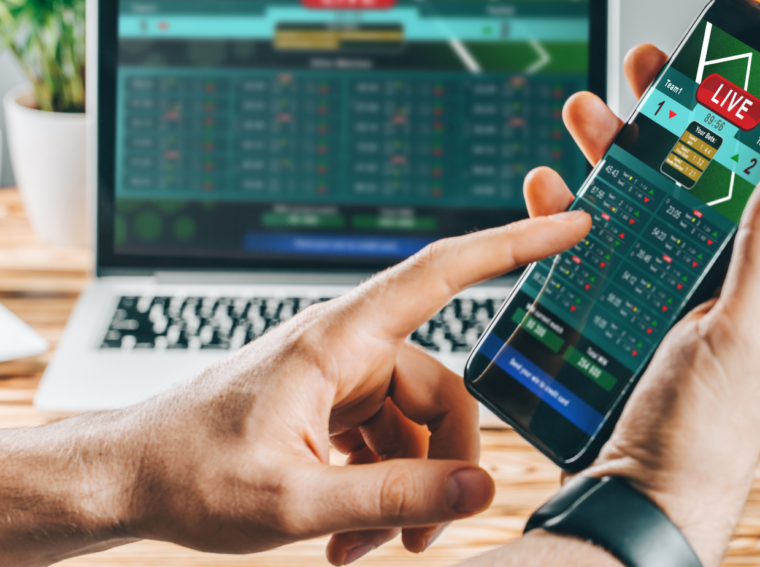
This isn’t manipulation in a dark-alley sense. It’s design. Smart design. Sometimes elegant. Sometimes a little sneaky. Always intentional.
Let’s open the hood.
Betting Platforms Are Not Neutral Spaces
At first glance, a betting platform looks like a tool. Odds. Markets. A balance. Simple.
But in reality, it behaves much more like a game.
Bright colors highlight winning bets. Animations celebrate small successes. Sounds, pop-ups, and progress indicators guide your attention. The interface nudges you forward, step by step, without ever saying “keep going.”
This is no accident.
Game designers and betting platforms share the same playbook: reduce friction, reward action, and maintain flow. Once you’re “in the zone,” rational pauses become rarer.
And that zone? Psychologists call it flow state. Gamblers call it “being locked in.”
Micro-Rewards: Why Small Wins Feel So Big
One of the most powerful mechanics is the micro-reward.
A small win. A cash-out notification. A boosted odd that lands. These moments trigger dopamine spikes similar to those in video games or social media.
The key isn’t the amount won. It’s the frequency.
Winning €3 after losing €20 still feels like progress. The brain doesn’t run a profit-and-loss spreadsheet. It reacts to immediate feedback.
This is where platforms like 20Bet shine: they structure experiences so feedback arrives fast. Live betting markets update constantly. Cash-out options give the illusion of control. Even losing bets often come with “almost” moments.
Almost winning is emotionally loud.
The Illusion of Control (And Why We Love It)
Another classic mechanic: choice overload disguised as control.
You can pick leagues. Bet types. Combos. Systems. Live markets. Statistics. Advanced views. Simple views.
It feels empowering.
But psychologically, more choices don’t always mean better decisions. They increase engagement. The more time you invest in analyzing, the more committed you feel. This is called sunk cost bias.
Once you’ve spent 20 minutes crafting the “perfect” accumulator, abandoning it feels painful. Even if logic says the odds are stacked against you.
This is where educational content, previews, and insights — often found on platforms or the blog 20Bet — play a subtle role: they make betting feel informed rather than impulsive, even when emotion still leads the way.
Near Misses: The Most Dangerous Outcome
Surprisingly, losing by a hair can be more stimulating than losing badly.
A missed penalty.
A goal ruled offside.
A last-minute corner that doesn’t convert.
These near misses activate the same reward centers as wins. The brain interprets them as “you were close,” not “you were wrong.”
Game mechanics amplify this by highlighting how close you came. Odds trackers. Live tickers. Match animations. Everything reminds you of what almost happened.
That’s why many bettors immediately re-bet after a near miss. Not out of frustration, but out of perceived momentum.
“I was right. Just unlucky.”
Speed Changes Everything
Traditional betting had built-in pauses. You placed a bet. You waited. You reflected.
Live betting removes that space.
Markets refresh every few seconds. Odds flicker. Timers tick down. Decisions feel urgent. This time pressure reduces analytical thinking and increases instinctive reactions.
In the middle of this rapid rhythm, content like platform updates or strategy articles — often surfaced through spaces like the blog 20Bet — quietly reinforce the idea that staying active equals staying sharp.
But speed is a double-edged sword. It keeps things exciting. It also makes self-control harder.
Visual Design: Friendly, Not Financial
Notice something subtle: betting platforms rarely look like banks.
They look playful. Rounded buttons. Clean typography. Soft animations. Friendly icons.
This visual language lowers psychological defenses. It frames betting as entertainment rather than financial risk.
When money feels abstract — just numbers on a screen — it’s easier to detach from real-world value. Chips replace cash. Balances replace wallets.
This is the same principle casinos have used for decades. Digital platforms simply refined it.
Humor, Confidence, and Tone Matter More Than You Think
Even the language used on a platform influences behavior.
“Boosted odds.”
“Hot picks.”
“Don’t miss out.”
“Last chance.”
These phrases create urgency and confidence. They speak to emotion, not probability.
When paired with a light, humorous tone — the kind often used in promotional content or editorial sections — betting feels casual. Almost harmless.
You’re not risking money.
You’re “having a go.”
So… Is This Bad?
Not necessarily.
Game mechanics aren’t evil. They’re tools. They can make platforms more intuitive, more engaging, and more enjoyable.
The issue is awareness.
When bettors understand why certain features feel compelling, they regain agency. They can pause. Reflect. Step back when needed.
The healthiest bettors aren’t the most disciplined robots. They’re the ones who understand the psychology at play — and choose when to engage and when to walk away.
Betting platforms like 20Bet don’t just offer odds. They offer experiences shaped by decades of behavioral science, game design, and psychology.
Every animation, notification, and option exists for a reason.
Once you see the mechanics, you can enjoy the game without letting the game play you.
And that, ironically, is the smartest bet of all.