

Walk into any casino and you can predict where players head within seconds. Some queue up for slots while others hit the sportsbook. This split reveals how the bettors’ brains process rewards and control.
Your gambling preference reflects brain chemistry differences. Behavioral research shows slots players and sports bettors activate opposite neural pathways. Let’s break down what the data shows.
What Slots Players Are Actually Chasing
Slots attract players seeking detachment. Research found slot players scored significantly higher on detachment needs compared to sports bettors. They’re not trying to outsmart anything.
Players are hooked by reinforcement with a variable ratio. Because you never know if the next spin will result in a jackpot, dopamine is always firing. This promotes persistent response during losing streaks.
Here’s what distinguishes slots players:
- Less competitive and seek less excitement
- Make more impulsive decisions
- Report lower happiness than sports bettors
- Form habits faster
Slot players make decisions every few seconds. This rapid cycle creates automatic patterns where the brain seeks escape from overstimulation.
Why Sports Bettors Think Differently
Sports bettors want to feel in control, even when they’re not. Research shows they crave challenge and believe their skills matter. The personality differences are clear. Sports bettors seek more novelty and excitement than slots players.
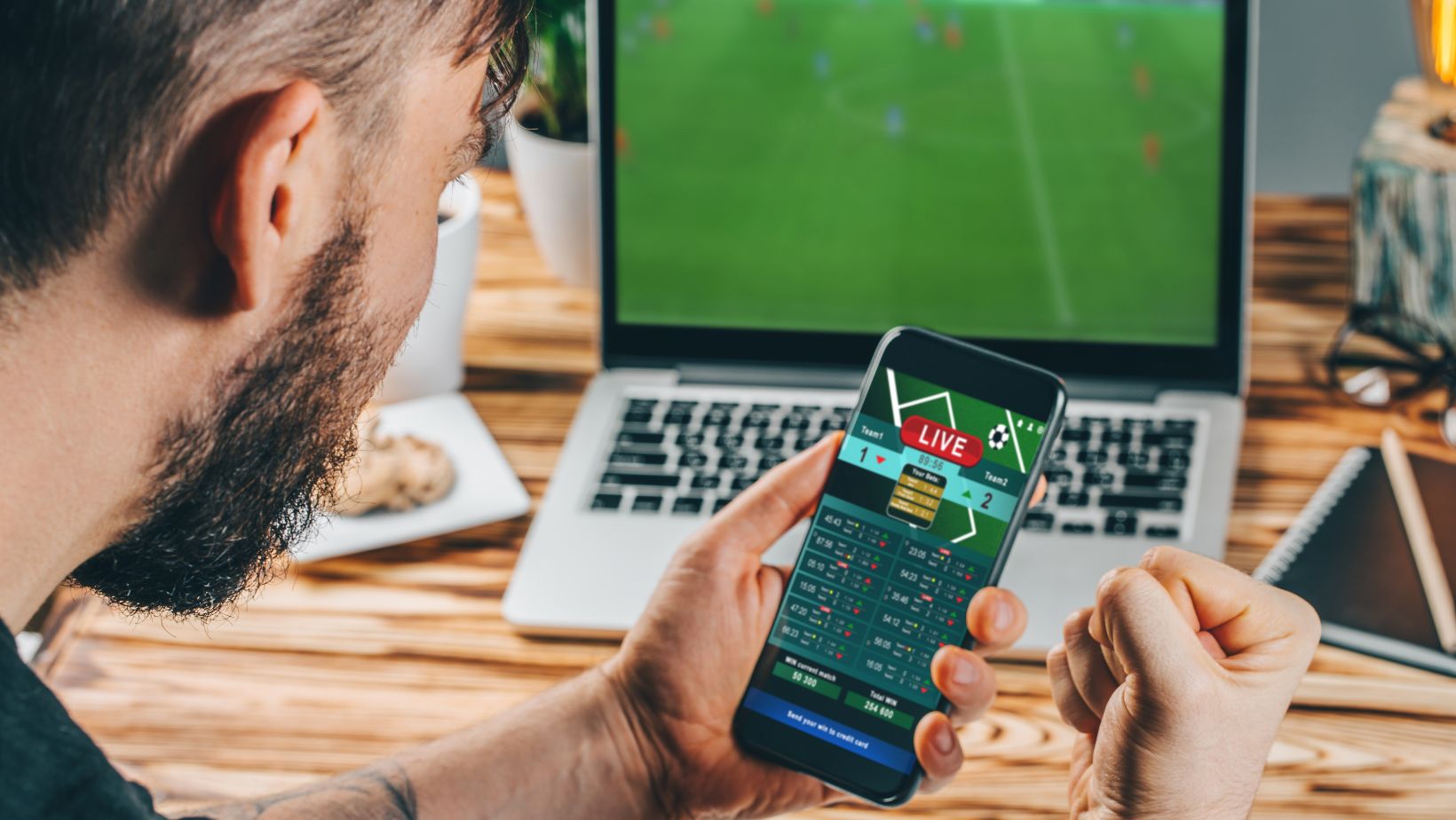
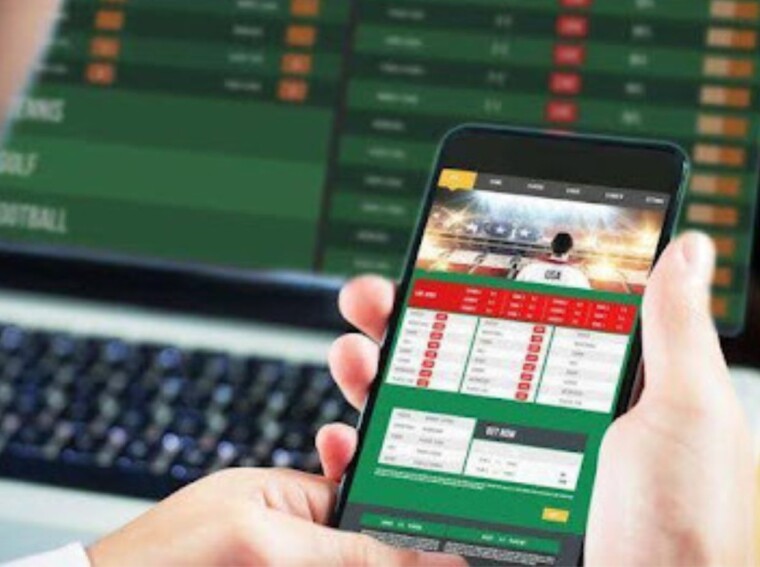
Sports betting activates different brain areas than slots. Your brain treats it like a skill game, releasing dopamine while you analyze odds and research stats. You get rewarded multiple times, not just when you win.
The Speed Paradox in Modern Gambling
Crypto platforms changed everything. This is because traditional sports betting required waiting for events to conclude, but live betting erased that barrier. Modern platforms, including new crypto sportsbook options, offer live wagering where you place dozens of bets during one match.
Crypto removed another delay: payout waiting periods. Instant deposits and withdrawals let players chase losses immediately without the cooling-off periods that banking imposed. The separation between gambling credits and actual money disappears.
Fast-paced gameplay interrupts rational thought. When losses and wins happen rapidly without processing time, reward systems override impulse control. Research from the National Institutes of Health confirms faster gambling products accelerate progression from recreational to problematic play.
What This Means for Your Brain
Both activities fill your brain with dopamine, but they work completely differently. Slots hook you through randomness, releasing dopamine while you wait, not just when you win. Sports betting creates dopamine from the feeling that you’re in control, making your brain’s reward centers light up stronger when you believe your research changes outcomes.
The difference shows up in how tolerance builds. Slot players fall into automatic patterns, gambling without thinking. Sports bettors chase that same dopamine feeling through bigger bets and more complicated parlays.
Picking Your Platform Matters
Modern platforms exploit these behavioral differences deliberately. Slots maximize engagement through rapid spins, celebration sounds, and “losses disguised as wins,” where you win less than your bet. Audio-visual cues trigger conditioned responses automatically.
Sports platforms target the control illusion. They offer detailed statistics, live updates, and cash-out options that make you feel strategic. The gaming content on thegamearchives.com covers how platform design influences player behavior across different gambling products.
Your gambling preference reveals if you’re escaping or competing. Slots players want to zone out and let fate decide. Sports bettors want to feel smart and analytical. Understanding what your brain craves helps you recognize when entertainment becomes something else.