

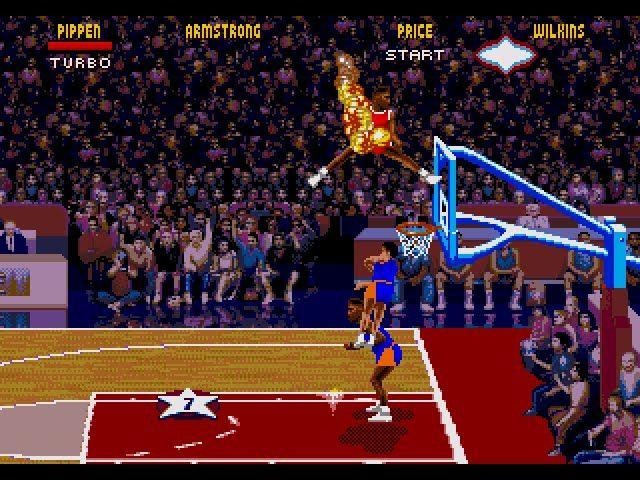
I’ll never forget going “on fire” in NBA Jam at the arcade. Three baskets in a row, and the ball literally caught flames. You had maybe ten seconds to capitalize before the other team scored.
That same rush hits me now watching live odds shift during actual games. Here’s what nobody realized back then: those arcade cabinets weren’t just entertainment. They were accidentally training an entire generation for sports trading that wouldn’t exist for another twenty years.
Learning to Read the Action Fast
Tecmo Bowl gave you five seconds to pick your play before the snap. No overthinking allowed. You learned your opponent’s patterns and trusted your gut.
I do the exact same thing now on Madmarket. Watching odds move across multiple bookmakers, grabbing value before lines shift. It’s pure muscle memory from arcade days applied to real markets.
Those old games tracked everything live. Points per quarter, who’s heating up, momentum swings. I ignored half those numbers back then. Now I realize they were training me to process data under pressure while making decisions that actually mattered.
When Numbers Met Speed
The ’80s gave us two things at once: faster bookmaker computers and stat-heavy arcade games. According to UNLV gaming research data, bookmakers started processing information faster right when developers built games around instant feedback.
Those classic titles trained us to read changing stats during live action, adjust strategy based on momentum, make calls in seconds under pressure, and spot patterns in how opponents play. NBA Jam showed you shooting percentages updating in real time. Tecmo Bowl displayed which plays worked against specific defenses.
From Quarters to Real Stakes
I dropped probably a hundred bucks in quarters timing shots in NBA Jam. Deciding between the safe layup or the flashy dunk that might brick. Every choice had consequences you felt immediately.
TheGameArchives preserves these games because they capture something important. My generation logged thousands of hours reading sports at game speed. The instincts we developed? They’re exactly what bookmakers program into their trading models today.
Pattern Recognition Gets Paid
My buddy and I played so much Tecmo Bowl I could call his plays before he picked them. Saw him run the same play on third and short three times straight. That’s not gaming skill; that’s data analysis.
Sharp bettors do this professionally now. They track team behaviors in specific situations and how lines move when news breaks. Same pattern recognition from thousands of game reps, just applied to real markets instead of pixelated fields.
Bulls vs Blazers let you track Jordan’s stats separately from team totals. Now I bet player props every weekend because I already understood individual performance within team context. The games taught us to see the forest and the trees at the same time.
The Skills Transfer Perfectly
Arcade cabinets predicted today’s betting world because they taught the same core skills: processing live data, spotting patterns, and making instant decisions under pressure. The industry just caught up to what gamers already knew how to do.
Every quarter I fed those machines bought me training I use today. The rush is identical, the stakes are real, and the skills translate perfectly. Classic sports games didn’t just predict modern betting. They created the first generation ready for it.