

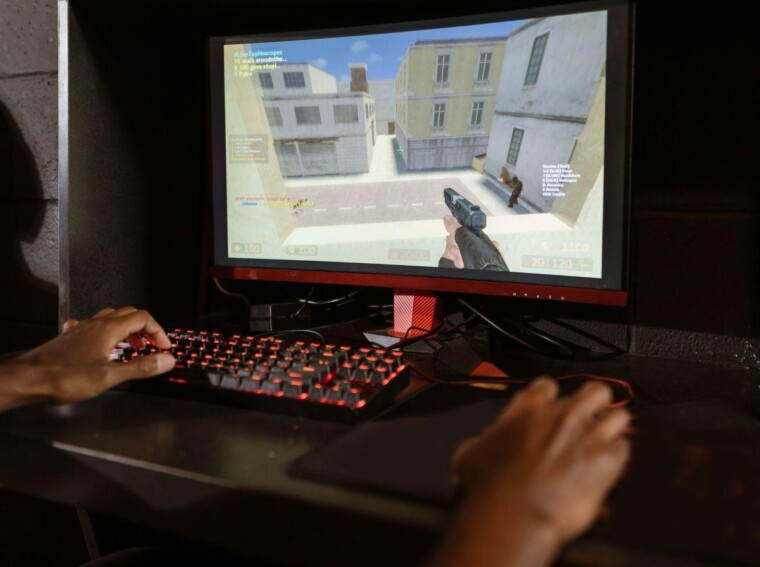
CS2 items have become more than just in-game skins. For many players, they are now part of a market where prices can change for dozens of different reasons. Some factors are easy to spot, while others are much harder to predict. If you are new to CS2 trading and want to understand what drives these price movements, this guide is for you. We will break down how CS2 case prices change, what influences them, and how you can evaluate their investment potential. Let’s get started!
How CS2 Case Prices Change
Look at any CS2 case price history and you will see constant movement. A case can reach a new high one day and drop sharply the next. But why does this happen, and what actually drives these changes? Several factors can influence case prices, including:
Active Vs Retired Cases
The clearest price driver is supply status. The Kilowatt Case still drops through the weekly system, so its supply keeps refreshing and its price has stayed under a dollar since 2024. The Operation Bravo Case tells the opposite story. Once Valve pulled it from regular drops, its supply stopped growing entirely, and it now trades above $45. The case itself didn't change, only its ongoing availability did, which is why retirement from the drop pool tends to push prices up over time.
Standout Items Inside
Two cases can share a similar age but trade very differently based on what's inside them. The CS:GO Weapon Case holds the AK-47 Case Hardened, where rare Blue Gem patterns have sold for over $100,000, which keeps demand for the whole case elevated. Operation Bravo's price is largely built around a single skin too, the AK-47 Fire Serpent. In both cases, one standout item is doing most of the work in setting the container's overall value, not the rest of the pool.
Tournament and Community Attention
Short term price movement often lines up with real events rather than anything about the case itself changing. Cases and skins tied to a weapon or design tend to see brief demand spikes around major tournaments, like the Cologne Major, when viewership and community attention are highest.
How to Analyze CS2 Case Prices
You do not need to be a professional analyst to understand the CS2 market. There is no need to start with complicated tools, charts, or algorithms. Instead, begin with a few basic factors that can help you understand where case prices may be heading:
Compare Across Sources
Start by checking a case's price across a few different marketplaces rather than trusting one listing. The same case can show a noticeably different price on Steam versus a third party site, sometimes by 10 to 30 percent, simply due to different fees and demand. Pulling up two or three sources side by side gives you a clearer picture of what the case is genuinely worth right now, rather than relying on whatever number happens to load first when you search for it.
Track The Price Over Time
A single price point doesn't tell you much on its own, so look at how a case has moved over the past few weeks or months. A steady upward trend suggests real, lasting demand, while a sharp spike followed by a quick drop usually points to short term attention rather than a genuine shift in value. Most tracking tools show this kind of history directly, which makes it easy to tell a stable case from one that's simply having a moment.
Weigh Cost Against Contents
Once you know the price, compare it against what the case actually contains before deciding it's worth buying. Add up the key cost and the case price, then check what a handful of its included items are currently worth on their own. If the case price sits close to or above what most of its contents are individually worth, that's usually a sign the price is inflated rather than reflecting the pool itself.
Three CS2 Cases Worth Considering for Investment
Now let’s turn our attention to specific CS2 cases. Here are three well-known cases that you may want to consider from an investment perspective:
Operation Broken Fang Case
Released on December 3, 2020, this case is currently priced anywhere from about $6 to $13 depending on the marketplace, with a key costing the standard $2.49. It's known for the M4A4 Cyber Security, USP-S Monster Mashup, and especially the AWP Fade, a high tier skin that keeps demand strong. As an operation case, its supply is fixed once the operation ended, and it's no longer added to regular drops, which is part of why it has held its value well since release.
Falchion Case
This case came out in May 2015 and introduced the Falchion Knife to the game. It's priced around $1.50 to $3, which puts it among the cheapest cases in CS2 despite its age, though the key itself is a separate item now worth over $10 on the market, so most players still buy the official $2.49 key directly through the game instead. Its main draw is the AK-47 Aquamarine Revenge and AWP Hyper Beast, both of which have stayed popular skins for years, giving the case a reason to hold value beyond just its knife pool.
Chroma Case
Released in January 2015, this case is currently priced around $4 to $7, with keys running higher than usual due to their own player demand. It's remembered for kicking off the more colorful, modern era of knife finishes, including Doppler and Marble Fade. The AWP Man-o'-war and AK-47 Cartel are its standout weapon skins, but the real long term value comes from its knife pool, some of which, like the Karambit Marble Fade, now sell for well over $1,700.
Conclusion
In conclusion, this article looked at CS2 cases from an investment and market analysis perspective rather than simply listing cases and their contents. We explored how case prices are determined and why they change, looked at some simple ways to analyze them, and highlighted three well-known cases that you may want to consider for the future.