

Video games have always relied on reward systems, from the satisfaction of clearing a tricky level to unlocking a new character or item. Progress and achievement are central to why games are enjoyable.
However, it’s not always something games have got right, and that has particularly come to the fore in the shape of loot boxes in recent years. Many critics stated they were manipulative as well as being a factor in the rise of gaming addiction, a condition in which more people need the help of an addiction centre, in much the same way as an alcoholic or someone addicted to drugs would.
It has seen the likes of loot boxes and engagement loops evolve, yet they are still at the centre of debates around modern game design too, and it has raised important questions about how entertainment can slide into compulsion.
From Skill Rewards to Behavioural Design
Earlier generations of games often rewarded mastery. Players improved through practice, learned patterns and progressed by developing skill. Unlockables existed, but they were usually tied to clear accomplishments such as finishing levels, finding secrets or completing challenges.
Modern gaming still includes these elements, yet many titles now place equal emphasis on retention. Instead of asking how rewarding a game feels, some designs ask how often players return, how long they stay and whether they spend money while doing so.
This shift has produced systems aimed not only at enjoyment, but at shaping behaviour.
The Rise of Loot Boxes
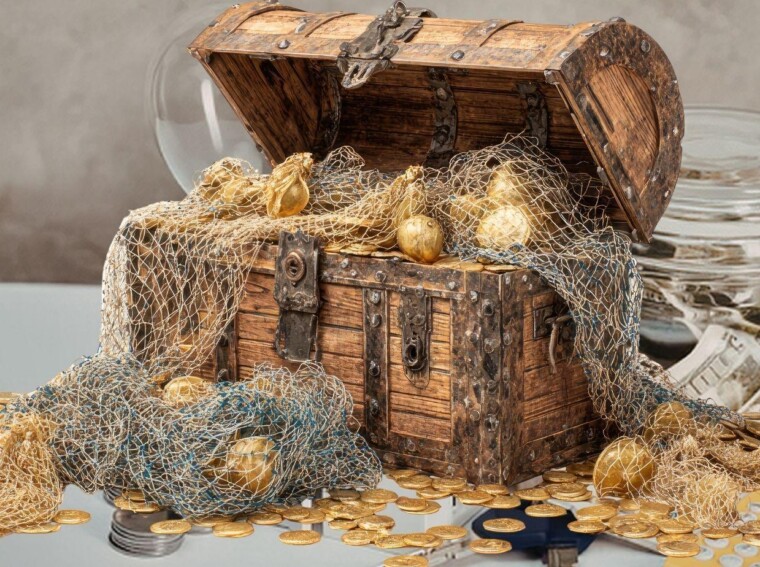
Loot boxes became one of the most controversial examples of this trend. Typically, players pay real money or in-game currency for a randomised pack containing cosmetic items, upgrades or rare rewards. The appeal lies in uncertainty: the next box might contain something valuable, or it might disappoint.
That unpredictability is powerful. Psychologists have long noted that variable rewards can encourage repeated behaviour more strongly than guaranteed outcomes. It is the same reason slot machines are so compelling. Players chase the possibility of a rare prize, even after many failed attempts.
Supporters argue that loot boxes can fund free-to-play games and often involve optional cosmetic content. Critics counter that they normalise gambling-style mechanics, particularly for younger players.
Grinding as a Time Currency
Grinding refers to repetitive play undertaken to gain resources, levels or progress. It is not new. Older role-playing games often required players to battle enemies repeatedly in order to become stronger.
What has changed is how grinding is sometimes structured. In some modern titles, progress can feel intentionally slow unless players invest large amounts of time or purchase shortcuts. This creates a system where time becomes a currency, and frustration becomes monetised.
When players feel compelled to complete daily tasks, endless resource farming or repetitive objectives simply to remain competitive, gaming can start to resemble obligation rather than leisure.
Daily Rewards and Fear of Missing Out
Many live-service games now use compulsion loops built around daily log-ins, limited-time events and seasonal battle passes. Players are rewarded for showing up regularly, even briefly. Miss a few days, and opportunities may disappear.
This taps into fear of missing out. Limited skins, timed challenges or expiring rewards can create pressure to play even when interest is low. Instead of choosing to play because it is fun, players may log in because they feel they must.
The result is a subtle shift from desire to duty.
When Design Works Well
It is important not to treat all reward loops as harmful. Progress systems, unlockables and long-term goals can add structure and satisfaction. Many players genuinely enjoy working towards rewards over time, and well-designed games create a sense of momentum without exploitation.
Grinding can also be relaxing in certain genres, offering low-pressure repetition while listening to music or chatting with friends. Random rewards can be exciting when fairly balanced and not tied to aggressive monetisation.