

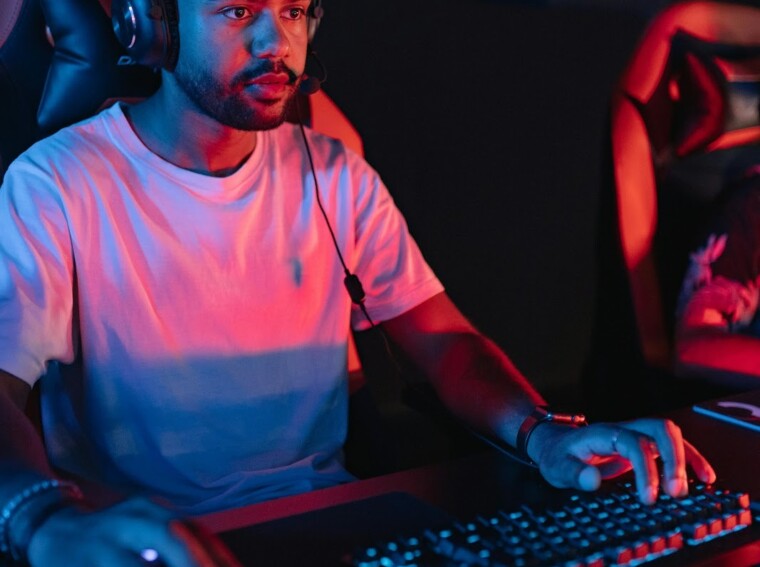
Gaming payments used to be one thing. You bought a boxed game with cash or a card, took it home, and that was that. Now the spending happens in pieces. A player buys a full title, then a season pass, then skins, then extra currency, then a subscription, and does it all through a phone, console, browser, or app. The Entertainment Software Association said U.S. consumer spending on video games reached $60.7 billion in 2025, with $52.3 billion of that coming from content. This is a large digital shop, open all day, with millions of people tapping confirm.
Your payment method now shapes the gaming experience more than it once did. Traditional methods still run the show because they are familiar, fast at checkout, and tied to refund systems people already understand. Visa’s gaming materials make the same broad point from the payments side. Faster digital payments are changing how games are bought and funded, while Newzoo’s work with Visa and Tebex shows how closely spending, payment experience, and monetisation now sit together in games. Alternatives like Bitcoin have also entered the picture. It offers control and direct settlement, though it asks more of the user in return.
For readers watching the Bitcoin cash price alongside Bitcoin itself, the market screen always makes for compelling reading. On March 24, 2026, Bitcoin traded at about $69,903, while BCH traded near $472.87. That sort of price table is one reason people buy crypto through exchanges such as Binance before they ever try using it for payments. It is easy to become preoccupied with the number and miss the larger question, which is whether the asset works well when somebody is trying to buy a game pass at half past ten on a Tuesday.
Cards Win On Convenience
For most gamers, a bank card or platform wallet remains the easiest route because the whole process is built around habit. The card is already saved. The platform recognises the user. The purchase goes through in seconds. If something goes wrong, there is usually a familiar route for chargebacks, refunds, or customer support. That is the small domestic comfort of traditional payments. Nobody gets a medal for entering the expiry date correctly, though most people do appreciate a payment method that behaves itself and does not turn an ordinary purchase into a minor technical project.
Of course, bitcoin does offer something unique. A user can pay without relying on a bank to approve the transaction. Cross-border payments are easy, and there are no banks to make a sender wait three business days. That is useful for gamers buying across regions, topping up an account from abroad, or sending funds between friends in different countries. Yet Bitcoin’s base layer is slower at the point of settlement than a card authorisation. Each confirmation takes an average of about 10 minutes, and the first confirmation can take longer if fees are low. For an impatient buyer staring at a spinning checkout icon, 10 minutes lasts a while.
Bitcoin Is Stronger When Control Matters
A gamer who cares about custody, privacy, and control may prefer it because they can hold the asset in their own wallet and send it without asking a payment network for permission. Many wallets let users choose their own fees. Some wallets support SegWit and the Lightning Network, which can reduce fees and support faster transfers. In theory, that makes Bitcoin better suited to smaller digital purchases than the older stereotype suggests. In practice, the experience still depends on the wallet, the merchant, and whether the platform has done the work of making the payment flow simple enough for normal people to tolerate.
The larger gaming market does seem to be moving toward more flexible payment options. Newzoo and Tebex reported in 2025 that alternative payments are gaining traction, while payers in North America spend far more on average than those in Europe. That tells you two things. First, players are already used to digital spending spread across subscriptions, DLC, currency, and microtransactions. Second, payment choice is no longer a side issue. A clumsy payment flow leaves money on the table. A smoother one gets used again. Bitcoin can benefit from that shift, though only when it behaves like a working payment rail.
Adoption Continues To Grow
This wider backdrop helps explain why industry figures keep talking about adoption in larger terms. Richard Teng, Binance CEO, said, “Global adoption often starts with a single domino. Now that crypto is being recognized as a legitimate financial instrument within one of the world’s largest retirement systems, the question is no longer what – but when.” Once an asset looks more established in finance, ordinary users become more willing to treat it as a practical tool rather than a curiosity for men with very strong opinions on social media.
Yi He, Binance Co-Founder, put it more directly: “Crypto isn’t just the future of finance – it’s already reshaping the system, one day at a time.” You can see the outline of that in gaming, though it is still a partial picture. Cards remain better for most routine purchases because they are easier, better integrated, and kinder to people who do not want to think about wallets, network fees, or confirmations. Bitcoin is better when ownership, cross-border movement, or payment independence sits higher on the list. That gives each method its own place. One suits convenience. The other suits control. Most players, being sensible, tend to like a bit of both.
So the real comparison is not old versus new, nor sensible versus adventurous. It is friction versus freedom. Traditional payment methods fit neatly into today’s gaming stores because the rails are already there and the protections are familiar. Bitcoin fits best when a player wants direct control, fewer banking constraints, or access that works across borders and platforms. It can do the job. It just asks more from the user, and gamers are often quite busy enough already trying to decide whether another cosmetic bundle is worth £14.99. In the end, that is why cards still lead. They are easy. Bitcoin remains interesting because it offers a different sort of power, and in digital markets that power tends to attract attention once the tools become simple enough to use without a manual.