

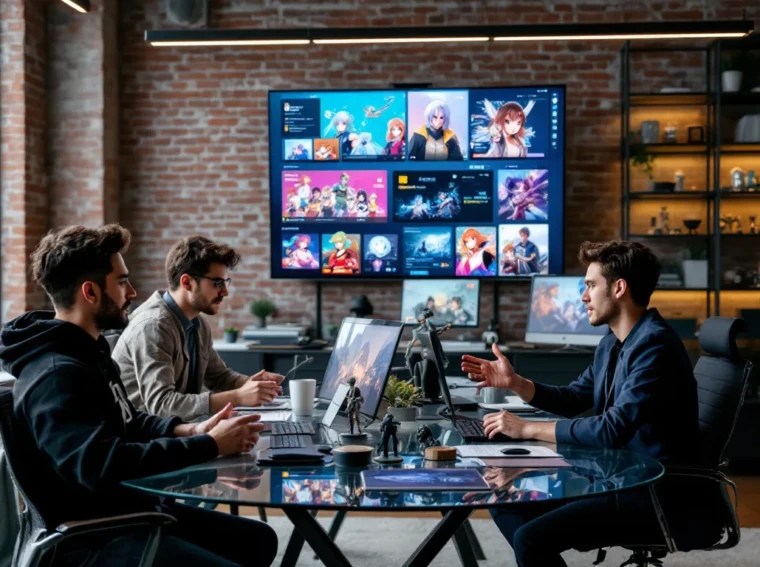
Geek culture isn’t underground anymore. Walk into any office, coffee shop, or school and you’ll see evidence: someone’s wearing a gaming hoodie, another’s trading anime stickers, a third is watching esports clips on their phone. What once meant hiding your Power Rangers figurine collection has transformed into something openly celebrated, profitable, and genuinely cool. The shift from subculture to mainstream didn’t happen overnight, but by 2026, it’s undeniable that geek culture has become the dominant cultural force in entertainment, technology, and fashion. This transformation reshapes how millions of people spend their time, money, and identity, and it’s worth understanding how we got here and where we’re heading next.
Key Takeaways
- Geek culture has evolved from a hidden subculture to a dominant mainstream force shaping entertainment, technology, and fashion, with gaming exceeding $200 billion in global revenue and creating legitimate career paths.
- Streaming platforms and social media demolished gatekeeping barriers, allowing anyone to build massive audiences around gaming, anime, and comics without traditional industry backing.
- Gaming serves as the foundation of modern geek culture, with esports validating digital competition as professionally legitimate and culturally significant comparable to traditional sports.
- The global anime renaissance and comic book diversity expanded geek culture’s cross-demographic appeal, with anime conventions rivaling Comic-Con and high-end fashion brands collaborating with gaming and anime franchises.
- Mainstream success created tension between inclusivity and toxicity, requiring companies to implement community moderation and diversity initiatives as both economic necessities and creative imperatives.
- Geek culture’s future depends on whether communities can maintain their core values of creativity and collaboration while integrating into mainstream society and resisting corporate exploitation.
The Evolution of Geek Culture: Then vs. Now
Geek culture didn’t exist as a unifying identity in the way it does today. Thirty years ago, being a geek meant operating in isolation, trading comic books in basements, attending small anime conventions, or playing games in arcades when they were still social spaces. The internet changed everything, but not immediately. The real acceleration came in waves: the success of superhero films, the explosion of gaming as entertainment, and the rise of content creators who could build audiences around their interests.
The Golden Age of Gaming and Pop Culture
The 2010s marked the turning point. Marvel Studios proved superhero stories could dominate box offices. The Witcher 3, Dark Souls, and battle royales like Fortnite and PUBG made gaming culturally inescapable. Anime moved from fringe interest to mainstream viewing via Netflix and streaming platforms. Comic books weren’t just for collectors anymore, they were source material for the biggest blockbusters on Earth.
What makes 2026 different is totality. A teenager today doesn’t choose between being a “gamer” or a “comic book fan”, those identities overlap completely. A professional esports player might also stream anime clips, follow gaming influencers, and attend Comic-Con as casual attendees. The silos broke down.
How Streaming and Social Media Transformed Geek Identity
Streaming platforms democratized access. In 2015, you needed cable or piracy to watch anime consistently. By 2020, Crunchyroll, Netflix, and dedicated anime platforms had hundreds of shows available legally. Gaming content creators on YouTube and Twitch became celebrities with fanbases larger than traditional celebrities. A streamer can build a community of hundreds of thousands just by playing games and talking authentically, no agent needed, no studio backing required initially.
Social media amplified this. Discord servers connected geeks across cities and continents. Reddit communities became legitimate news sources for game updates and industry gossip. TikTok made gaming moments go viral instantly. The barrier between creator and audience dissolved. This is why a cosplayer or speedrunner can suddenly have millions of followers, geek culture’s success metrics aren’t gatekept anymore.
By 2026, geek identity isn’t about what you consume: it’s about how you engage with communities around shared interests. That’s fundamentally different from the 1990s gatekeeping mentality.
Gaming at the Heart of Modern Geek Culture
Gaming isn’t one hobby among many in geek culture, it’s the foundation. Revenue numbers tell the story: the global gaming market exceeded $200 billion in 2024 and continues growing. More people game than watch movies or television. Gaming infrastructure shapes geek culture’s identity, community norms, and economic power.
Esports as a Cultural Touchstone
Esports transformed how geek culture views competition and skill. A decade ago, professional gaming was a curiosity. By 2026, esports organizations operate like traditional sports franchises with sponsorship deals, franchised league spots worth tens of millions, and media coverage on mainstream sports networks.
Titles like League of Legends, Valorant, Counter-Strike 2, and Dota 2 attract viewership comparable to traditional sports in many regions. The International, League of Legends Worlds, and Valorant Champions are as culturally significant to geek audiences as the Super Bowl is to mainstream audiences. Players become celebrities. Organizations draft players with scouting reports and salary contracts. Parents now discuss esports scholarships seriously.
What makes this significant is validation. Esports proved that geek pursuits, strategy games, coordination, reflexes, teamwork in digital spaces, deserve respect, investment, and mainstream coverage. This legitimacy rippled outward to all gaming communities.
Console, PC, and Mobile Gaming Communities
Gaming platforms fragmented the community while simultaneously strengthening it. Console wars still exist (PlayStation vs. Xbox loyalty runs deep), but cross-platform play normalized collaboration across ecosystems. A gamer might play Fortnite on Switch during lunch, Counter-Strike 2 on PC at home, and mobile games on their phone commute.
PC gaming maintains its hardcore reputation. Competitive shooters, MMOs, and strategy games thrive there. The competitive Counter-Strike community, World of Warcraft guilds, and Valorant esports scene represent PC gaming’s dominance in high-skill environments.
Console gaming (PS5, Xbox Series X
|
S) focuses on narrative-driven experiences and accessibility. Games like Elden Ring, Baldur’s Gate 3, and Final Fantasy VII Remake proved that console gaming competes equally with any other medium for cultural relevance and critical acclaim.
Mobile gaming, often dismissed by hardcore gamers, secretly dominates by player count. Genshin Impact, Honkai Star Rail, and countless gacha games generate more revenue than many console releases. Mobile gaming broke the gatekeeping that “real” gaming required expensive hardware, a smartphone is enough. This democratization expanded geek culture’s reach into demographics traditionally excluded (older players, casual players, players in regions without console access).
Beyond Gaming: Anime, Comics, and Fandom Ecosystems
Geek culture’s diversity is its strength. Gaming dominates, but anime and comics create equally passionate communities with their own economies and cultural significance.
The Anime Renaissance and Global Reach
Anime’s mainstream breakthrough happened gradually. Dragon Ball had cultural reach decades ago, but anime remained niche outside Japan. The turning point came around 2019-2020 when streaming made access trivial. Attack on Titan, My Hero Academia, Demon Slayer, and Jujutsu Kaisen became cultural phenomena. By 2026, anime conventions rival Comic-Con in attendance. Anime merch (figures, apparel, collectibles) generates billions annually.
What’s fascinating is anime’s cross-cultural appeal. A teenager in Brazil watches anime the same day it airs in Japan. Western animation studios now compete directly with anime studios for viewership and revenue. The boundary between “Western” and “anime” genres collapsed, shows like Arcane and Cyberpunk Edgerunners blur that distinction deliberately.
Anime also bridged geek culture with fashion and luxury. Designer collaborations with anime franchises treat the source material respectfully, and collectible figures now cost hundreds or thousands. Anime isn’t kiddie stuff anymore: it’s art with economic legitimacy.
Comic Book Culture and Superhero Dominance
Comics transformed from newsstand publications to cultural institutions. Marvel and DC’s cinematic dominance shaped mainstream entertainment for nearly two decades. The superhero film cycle peaked around 2019-2021 but remains culturally central.
What’s interesting about 2026 is the shift. Superhero fatigue is real, but superhero stories remain foundational to geek culture. Readers who dismiss Marvel films still engage with comics, webtoons, and adapted stories. The medium, not the specific superhero IP, matters.
Comics also diversified. LGBTQ+ representation increased substantially. Creators like Yoko Taro, Inio Asano, and others proved sequential art could tackle mature themes. Webcomics and self-published work challenged traditional distribution. Polygon covers the industry’s evolution constantly, reflecting how seriously the medium is taken.
Geek Identity in the Workplace and Mainstream Society
The most significant shift in geek culture is its normalization in professional and social contexts where it was once hidden.
Tech Industry Influence and Career Opportunities
The tech industry didn’t just embrace geek culture: it became inseparable from it. Software engineers discuss D&D campaigns at work. Product managers reference gaming mechanics when designing features. Companies like Google, Apple, and Meta actively recruit people with gaming and geek culture backgrounds because problem-solving skills cultivated through these spaces directly transfer.
But it goes deeper than recruitment. Geek culture values, collaboration, creativity, strategic thinking, community engagement, are now business priorities. When companies build community-driven platforms or invest in esports sponsorships, they’re not pandering. They’re recognizing where culture actually lives.
Career opportunities are tangible. Professional gaming, content creation, game development, animation, VFX, and esports management didn’t exist as career paths for most people twenty years ago. Now they’re viable, competitive fields. A teenager can reasonably plan a career in gaming or anime and find established career ladders.
Geek Fashion and Consumer Culture
Geek culture became aspirational, which manifested in fashion and consumer goods. Gaming merch is ubiquitous, hoodies, caps, and apparel bearing game logos sell like any mainstream brand. High-end fashion collaborations with anime and gaming properties legitimized geek aesthetics.
But more interestingly, geek fashion became cool independently of the source material. Someone wearing a Final Fantasy hoodie isn’t necessarily a hardcore gamer: they might just like the aesthetic. Anime-inspired fashion influences mainstream trends. The cosplay community became sophisticated enough that professional costumers make six figures creating elaborate costumes.
Consumer spending reflects this. NME Gaming and mainstream outlets regularly cover gaming merchandise drops as cultural events. Limited edition collectibles sell out in minutes. This isn’t niche spending, it’s mainstream commerce disguised in geek language.
The economics matter because they reinforce legitimacy. When luxury brands partner with gaming franchises and anime properties, they’re not slumming. They’re recognizing billion-dollar markets. Teenagers with geek interests have purchasing power, cultural influence, and social status. That’s fundamentally different from even ten years ago.
Challenges and the Future of Geek Culture
Mainstream success brought problems alongside opportunities. Geek culture’s explosive growth created tension between inclusivity and exclusion, commercialization and authenticity.
Inclusivity, Toxicity, and Community Building
As geek culture grew, gatekeeping intensified paradoxically. Gaming communities developed reputations for toxicity toward women, LGBTQ+ players, and people of color. Anime communities struggled with similar issues. Comic book spaces weren’t immune. This toxicity didn’t emerge in 2026, it’s been present, but mainstream attention forced reckoning.
Progressive gaming companies implemented reporting systems, banned slurs, and invested in community moderation. Esports organizations finally addressed sexual harassment scandals. These weren’t moral awakenings: they were economic necessities. Toxic communities drive away players, damage sponsorships, and create legal liability.
The countermovement, inclusion efforts, progressed unevenly. Some communities genuinely improved. Others dug in and framed inclusivity as “woke nonsense.” The tension remains unresolved. Women make up roughly 50% of gamers by some metrics but face disproportionate harassment. Trans and nonbinary players found welcoming spaces in some communities and hostility in others.
What’s notable by 2026 is that inclusivity is no longer fringe. Major games feature diverse protagonists because that’s commercially smart and creatively necessary. Esports organizations recruit diverse talent. Anime and comics increasingly center marginalized perspectives. This isn’t universal, gatekeeping persists, but the trend is clear.
Community building shifted from anonymous forums to moderated platforms and structured communities. Discord servers with clear codes of conduct replaced Reddit’s wild west. Twitch implemented stricter moderation. Gaming companies hired community managers as essential staff. Geek culture learned (sometimes painfully) that communities require intentional structure.
What’s Next for Geek Culture
Predicting culture is presumptuous, but observable trends suggest directions. First, integration will continue. Geek culture isn’t becoming more niche: it’s becoming less visible as just “culture.” In ten years, distinguishing “geek” culture from “culture” might feel outdated. Gaming, anime, and comic book storytelling are just… entertainment.
Second, technology will reshape participation. Virtual reality gaming, AI-generated content, and metaverse platforms might fragment or unify communities in ways we can’t predict. Kotaku discusses these technological shifts regularly, reflecting industry uncertainty.
Third, economic maturation will pressure authenticity. As geek culture properties get bought and sold, as franchises get exploited, and as corporations co-opt geek aesthetics, communities will increasingly distinguish between art and commerce. There’s already tension between indie game developers and AAA studios, between fan communities and corporate-owned franchises. That tension will intensify.
Finally, geek culture’s diversity will become its defining characteristic. Gaming isn’t monolithic, it never was, but now that’s obvious. Horror games, indie games, narrative games, competitive games, cozy games, and roguelikes coexist. Anime spans every genre imaginable. Comics address every demographic. The term “geek culture” might need reframing because it’s not a single identity anymore, it’s thousands of overlapping communities with shared values around storytelling, community, and creative expression.
Geek culture’s maturation means accepting that it’s not countercultural anymore. That’s not a loss, it’s inevitable. The question is whether communities maintain what made them valuable: creativity, collaboration, and genuine passion. Commerce will test that constantly.
Conclusion
Geek culture’s evolution from basement subculture to global dominant force reshapes entertainment, commerce, and identity. Gaming, anime, and comics aren’t niche pursuits anymore, they’re the primary ways millions of people engage with storytelling, competition, and community.
The numbers are staggering but less important than the cultural shift. A teenager today doesn’t face the stigma that previous generations did. Parents increasingly understand (and sometimes share) their children’s gaming interests. Professional careers exist in fields that were hobbies a generation ago. Geek identity carries social status, purchasing power, and cultural influence.
But growth brings challenges. Inclusivity remains contested. Authenticity gets tested by commercialization. Communities must decide whether they’re open to newcomers or gatekept. These tensions aren’t new, but their visibility is.
By 2026, geek culture is too large to be a culture anymore, it’s infrastructure. The question isn’t whether geek interests are valid or cool. It’s whether the communities built around those interests can maintain what made them valuable while accommodating unprecedented growth. That balance will define geek culture’s next chapter.