

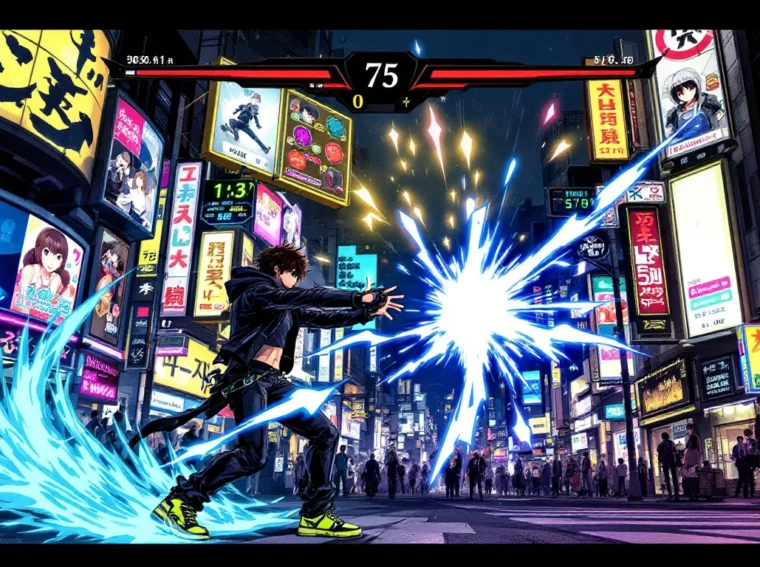
The World Ends With You (TWEWY) stands apart in the gaming landscape, it’s a blend of real-time strategy, fashion-forward RPG mechanics, and narrative depth that doesn’t fit neatly into any single genre. Whether you’re revisiting the original or diving into the Switch port for the first time, understanding the game’s core systems is what separates casual players from those who dominate Shibuya’s streets. This guide breaks down the essential mechanics, combat strategies, enemy patterns, and progression systems you need to master TWEWY gameplay in 2026. From managing your pins and team composition to optimizing fashion stats and tackling post-game content, you’ll find the specifics that matter.
Key Takeaways
- The World Ends With You gameplay combines real-time combat with split-screen partnership mechanics where your bottom-screen performance directly boosts your partner’s effectiveness on the top screen.
- Master the pin system by equipping complementary pins, using them frequently to maximize psychometry (experience gain), and evolving them at threshold levels to unlock more powerful versions with better stats and effects.
- Fashion isn’t cosmetic in TWEWY—wearing trending brands grants stat bonuses of +15 to +45, and building brand affinity unlocks exclusive gear that provides significant mechanical advantages in combat.
- Boss fights require adaptation through scanning for weaknesses, maintaining optimal positioning to increase fusion combo opportunities, and using burst damage strategies on high-HP enemies or defensive spacing on aggressive attackers.
- Strategic exploration of Shibuya reveals hidden shops, secret pins, and daily-respawning items, while understanding the threat system and enemy drop rates lets you target-farm specific gear efficiently.
- Post-game content including Ultimate difficulty and New Game+ modes reward mastery over grinding—skilled execution of pin timing, positioning, and team composition beats level advantages.
Understanding The Game’s Unique Real-Time Battle System
The World Ends With You throws out the turn-based rulebook. Unlike traditional JRPGs, TWEWY demands real-time input and split-screen coordination. Your protagonist controls one character on the bottom screen while your partner fights autonomously on the top, except they don’t fight completely independently. The partnership mechanic is the heart of TWEWY’s identity, and understanding it is non-negotiable for effective gameplay.
The battle system runs at 60 FPS on Switch and modern ports, giving skilled players a significant advantage over button-mashing. Timing matters. Canceling animations with proper pin usage creates flow, and maintaining rhythmic input translates directly to DPS output. This isn’t a game where level grinding alone carries you through higher difficulties.
Dual-Screen Mechanics and Character Control
Your primary character fights on the bottom screen using equipped pins. Each pin represents a specific attack or ability, assigned to buttons or touch input depending on your control scheme. The touch controls on the original DS version were revolutionary: modern ports offer traditional button mapping, which many players find more responsive for competitive play.
Your partner operates on the top screen, executing their own attacks based on their equipped load. Here’s the critical part: your partner’s effectiveness depends directly on your actions. Performing well on the bottom screen builds “sync” with your partner, increasing their damage output and ability frequency. Neglect your half of the screen, and your partner’s contribution drops significantly. This creates an asymmetrical but interdependent dynamic that few games replicate.
Control schemes vary by platform:
- Nintendo Switch: Button mapping (directional or face buttons) or hybrid touch controls
- Mobile versions: Touch-based pinning with drag-to-activate mechanics
- Emulated/original versions: Touch screen or stylus-based controls
Most competitive players gravitate toward button controls on Switch because they allow faster input and better responsiveness during frame-tight scenarios. Touch works, but it introduces latency that costs seconds in longer battles.
Mastering the Pin System and Psychometry
Pins are the foundation of your offense. You start with basic pins, Shockwave deals straightforward damage, Verethragna fires projectiles, and unlock hundreds more through shops, drops, and story progression. Each pin has a recharge time (cooldown) and evolution potential. A pin that starts weak becomes a powerhouse once leveled sufficiently.
Psychometry is the mechanic that makes pins scale. After battles, pins gain EXP based on your performance. Pins also gain bonus EXP if you equip them during battles and use them frequently. A pin you never tap will level slower than one you spam. This creates natural progression for your favorite loadouts.
Pin building isn’t about slot-filling: it’s about synergy. Your equipped pins should complement your playstyle and your partner’s strengths. If your partner excels at close-range hits, equip pins that keep enemies near the center. If they specialize in ranged damage, pins that create distance or crowd control work better alongside them.
Pin evolution deserves attention. Pins don’t just gain stats, they literally transform into new pins with different effects once they hit evolution thresholds. A Shockwave might evolve into Shockwave II, offering wider AoE or faster recharge. Tracking these transformations and building evolved pin sets becomes essential at higher difficulties.
Combat Strategies for Effective Gameplay
Combat success in TWEWY comes from three pillars: team composition, stat optimization, and tactical positioning. Each pillar supports the others, and neglecting one cripples your overall effectiveness.
Your difficulty setting, Easy, Normal, Hard, and the unlockable Ultimate, directly affects enemy stats and pin drop rates. Ultimate mode in particular locks you into a static difficulty curve with minimal margin for error. Most players find Hard mode strikes a balance between challenge and manageability for first playthroughs. Difficulty also impacts Fusion Rate (how often your partner performs a combo attack with you), so harder difficulties demand tighter gameplay.
Building Your Team Composition
You cycle through different partners throughout TWEWY’s story. Each partner has distinct stats, special abilities, and playstyles:
- Shiki (early-game partner): Balanced stats, straightforward gameplay, good for learning fundamentals
- Joshua: High mobility, ranged-focused abilities, excels against spread-out enemy formations
- Rhyme: Strong crowd control, defensive mechanics, ideal for tanking heavy hits
- Beat: Aggressive close-range combat, high burst damage, weak to ranged punishment
You can’t pick your partner during the main story, but the game teaches you to adapt. Each partner transition forces you to rethink your pin loadout and positioning. This design decision, forcing you to innovate rather than defaulting to “best” setup, is one of TWEWY’s strengths.
When you do gain control over team composition (post-game or in remixes), synergy becomes critical. A team built around fast pins and combo generation will perform differently than one built around tank mechanics and chip damage. Test loadouts in practice battles before committing to extended play sessions.
Leveling, Stat Management, and Equipment Optimization
Your character’s stats come from two sources: base levels and fashion. Leveling increases HP, Att (attack), and Def (defense) incrementally. A player at Level 20 versus Level 10 has roughly double the offensive output, but even at low levels, smart play beats brute force.
Fashion is where TWEWY separates itself from traditional RPGs. Wearing brands that match current trends boosts stats dramatically. A shirt in-trend can add +15 to +30 Att versus an untrendy equivalent. This creates a meta layer where fashion scouting becomes part of progression. You’re not just equipping stats: you’re curating an aesthetic that directly impacts combat.
Brand affinity tracks which clothing brands you’ve worn and equipped. Higher affinity unlocks better gear tiers and exclusive items from that brand. Building affinity with 2–3 brands and cycling their pieces strategically gives you flexibility without diluting your stat gains. Spreading affinity across too many brands leaves you underpowered in any single brand’s best gear.
Equipment slots:
- Head, Top, Bottom, Shoes (main gear)
- Accessory slot (rings, bracelets, critical for stat stacking)
Accessories often provide the highest single-stat boosts. Prioritize getting high-tier accessories early if you’re struggling with damage output. A single rare accessory outweighs multiple mediocre pieces.
Battling Different Enemy Types and Bosses
TWEWY’s enemy variety forces adaptation. You’ll face flying enemies immune to ground pins, slow-moving tanks that require sustained damage, and glass cannons that hit hard but die fast. The game doesn’t let you memorize a single strategy and autopilot.
Regular enemy encounters teach you matchup intuition. Noise (the game’s term for enemies) types have visual tells. A Noise with heavy armor typically benefits from elemental pins rather than raw physical damage. Flying Noise require projectile or AoE pins to hit effectively. Learning these patterns accelerates your decision-making in real combat.
Patterns, Weaknesses, and Attack Strategies
Boss fights are where TWEWY’s difficulty shines. Unlike regular enemies, bosses have multi-phase designs with distinct attack patterns. Memorable boss encounters include Minamimoto (who favors mathematical gimmicks), Reapers (aggressive combatants with high HP), and Higashizawa (technical fights with positional requirements).
Boss weakness exploitation is key. Each major boss has one or two damage types they resist and one they’re vulnerable to. Scanning with Scan ability reveals this information, do this before every boss to guarantee optimal pin selection. A boss weak to fire pins takes 40% more damage from flame-based attacks versus neutral pins.
Positioning during boss fights matters more than in trash encounters. Staying near your partner increases Fusion Rate and guarantees sync bonuses. Maintaining distance when the boss launches AoE attacks avoids unavoidable damage. TWEWY doesn’t require pixel-perfect dodging like bullet hells, but spatial awareness separates competent players from struggling ones.
Attack strategies against bosses shift based on their HP pool and attack frequency:
- High-HP tanks: Sustained DPS with chip damage pins works, but burst damage from Fusion combos closes fights faster
- Fast attackers: Defensive pins and positioning take priority: minimize time in attack range
- Multi-phase bosses: Save pin evolution transformations for later phases when single pins have massive cooldowns
Fusion Rate mechanics deserve specific mention. When your bottom-screen input and top-screen partner attacks align, you trigger a Fusion combo, a powerful synchronized attack. Bosses vulnerable to burst damage reward aggressive, rhythm-oriented gameplay that chains Fusion combos. Bosses with punishing attacks reward spacing and defensive positioning that reduce Fusion opportunities but keep you alive.
Difficulty scaling is generous at lower settings but unforgiving at Ultimate. On Ultimate, boss HP increases 150% compared to Normal, and their damage output nearly doubles. Grinding levels before Ultimate bosses isn’t laziness, it’s necessity. Most players report needing Level 50+ stats to survive Ultimate mode’s late-game bosses reliably.
Exploration and World Navigation
Shibuya is massive, and TWEWY encourages thorough exploration. Walking around isn’t filler, shops stock rotating inventory, NPCs offer social subquests, and hidden items scatter throughout the map. Players who rush through areas miss critical progression items and character development.
The game uses a real-time day/night cycle. Shops restock daily, and certain NPCs only appear at specific times. Planning your exploration route around these cycles becomes a subtle meta-layer. Hitting shops at the right moments guarantees access to limited gear pieces.
Navigating Shibuya requires understanding how districts connect. Fast travel via phones becomes available later, but early exploration forces you to master the map layout. Memorizing shortcuts cuts travel time significantly, especially when grinding specific areas for pin drops or friendship points.
Scanning, Threats, and Hidden Secrets
Scan is your information-gathering tool. Activated mid-battle or while exploring, Scan reveals enemy weaknesses, hidden items, and loot tables. Before engaging a new boss, Scan to identify their weakness. Before grinding an area for rare pins, confirm what drops exist via Scan.
Threats system works alongside Scan. Threats indicate how hostile an area is toward your team. High Threat areas spawn harder enemies and rarer drops. Increasing Threat is optional but rewards better loot. Players grinding for specific pins often hike Threat to increase drop rates, accepting the increased challenge.
Hidden secrets are everywhere. Secret shops in hidden areas sell exclusive gear. NPCs offer subquests that unlock special pins unavailable through normal shops. Social Network progression triggers secret battles. Missing these feels like leaving power on the table. Resources on sites like Game8 document hidden shop locations comprehensively if you want to optimize item acquisition.
Loot table mechanics are transparent once you understand them. Enemies drop pins based on their type, with rarity influenced by Threat level, your level, and luck stats from fashion. Understanding these mechanics lets you target-farm specific pins rather than grinding blindly. An enemy type that drops Hot Ramen with 15% base rate will drop it at 30%+ rate at high Threat with fashion boosting luck.
Chest locations and ground items respawn daily or weekly depending on the item type. Returning to the same area daily accumulates exclusive gear over time. This isn’t tedious busywork, it’s intentional design encouraging regular return visits to Shibuya.
Progression Systems and Character Development
Character progression isn’t linear. You level up, equip better gear, evolve pins, and unlock social networks simultaneously. Each system feeds into others, creating exponential power growth when optimized.
Leveling happens through battle. Defeating enemies grants EXP split between your character and equipped pins. Higher difficulty battles award more EXP. Post-game, players grinding specific content can level 2–3 times per 30 minutes, making stat optimization achievable within reasonable timeframes.
The social system ties progression to narrative depth. Increasing friendship levels with characters unlocks special abilities, pins, and story context. Unlike padding in other games, TWEWY’s social content actually matters mechanically and narratively. Friendship level 5 with a character might unlock their ultimate pin, fundamentally changing your loadout options.
Friendship Levels and Social Bonding
You build friendship by eating food with characters, purchasing items they like, and engaging in their social subquests. Each friendship level requires increasing affection thresholds. Early levels unlock quickly: later levels (7–10) demand significant investment.
Friendship rewards vary:
- Level 3–5: Initial stat boosts, basic pins
- Level 7–9: Powerful character-exclusive pins, significant stat multipliers
- Level 10: Ultimate pins (often top-tier damage dealers)
Prioritizing specific characters’ friendship paths optimizes your power curve. If your loadout relies on a character’s exclusive pin, rushing their friendship to 10 immediately is worth the grind. If you’re trying to experience everything, spreading affection across multiple characters and reaching moderate levels (5–7) balances fun with progression.
Food purchases constitute the fastest friendship gain. Expensive restaurants grant more points but also cost more currency. Budget-conscious grinding involves cheap food at regular shops, which increases affection 1–2 points per meal. Over hours of grinding, this adds up.
Subquests offer affection boosts alongside story content. Unlike pure grinding, subquests provide narrative beats and context for characters. Most guides recommend balancing grinding with subquest completion to avoid burnout. The original TWEWY’s social system felt grindy: modern remakes and ports streamlined this to respect player time without removing the grind entirely for dedicated players.
Character development extends to personality. Higher friendship reveals character quirks, backstories, and motivations beyond their combat role. This narrative depth parallels mechanical rewards, making friendship investment feel rewarding emotionally and mechanically.
Mastering the Clothing and Aesthetic Customization
Fashion in TWEWY isn’t cosmetic fluff, it’s mechanical depth. Wearing pieces matching current trends significantly boosts stats. Understanding fashion cycles and trend tracking transforms your approach to gear management.
Every week, Shibuya’s fashion trends shift. Brands and colors rotate in and out of popularity. Wearing items of a trending brand grants +Stat bonuses ranging from +15 to +45 depending on the item rarity and how in-trend it is. This creates a meta where scouting new fashion items is as important as grinding for pins.
Brand affinity compounds these bonuses. Wearing the same brand repeatedly increases affinity, which unlocks exclusive items and higher-tier gear from that brand. Balancing trend-matching with brand-building is the fashion meta. You can wear a trending brand you haven’t built affinity with (grabbing immediate stat boosts) or stick with a familiar brand you’ve invested in (accessing better long-term gear).
Fashion Brands, Trends, and Stat Boosts
Popular brands like Shibuya 109, Mos Burger, and G-Store each offer distinct stat distributions:
- Shibuya 109: Balanced stats, trendy consistently
- Death Jr.: High Att, youth-focused brand
- Rrag Doll: High Def, casual aesthetic
Legendary brands unlock later and offer the highest stats per piece. These typically remain out of trend, but their base stats are so high that wearing them unstyle’d still outperforms in-trend mediocre pieces.
Trend tracking uses the in-game fashion magazine, which updates weekly. Checking trends before shopping ensures you grab pieces that’ll remain relevant for upcoming story sections. Shopping sporadically and equipping whatever you find is inefficient: strategic shopping around trend cycles maximizes your stat efficiency.
Color matching adds another layer. Wearing multiple pieces of the same color grants bonus points even if they’re from different brands. An all-black outfit from mixed brands might receive better bonuses than a single-brand outfit in clashing colors. This micro-optimization rewards players who theorycraft.
Accessories define your stat ceiling. A single S-rank accessory can provide +20 to a stat, dwarfing normal gear boosts. Finding and equipping high-rank accessories should be a priority as soon as you encounter rare gear drops. Twinfinite maintains updated fashion guides listing where to source specific accessories if you’re targeting particular stats.
The fashion system encourages returning to shops frequently. New items stock regularly, and rotation cycles mean missing an item this week might mean waiting weeks for its return. Regular shoppers accumulate better gear than players who ignore fashion entirely.
Advanced Gameplay Tips and Optimization
Advanced TWEWY play involves resource management, meta-building, and understanding hidden mechanics that tutorials never explain. These nuances separate casual players from those optimizing every run.
The RNG system affects pin drops, stat rolls on gear, and fusion trigger rates. Understanding RNG mitigation (higher Threat for drops, wearing luck-boosting fashion) lets you stack probability in your favor. Pure randomness exists, but informed grinding beats blind hoping.
Frame data isn’t explicitly documented, but the community has reverse-engineered attack speeds and cooldown timings. Knowing which pins have the fastest recovery lets you chain input more tightly. On 60 FPS ports, landing hits and canceling recovery frames becomes possible through pixel-precise timing.
Money Management and Resource Collection
Yen (currency) becomes scarce if you’re reckless. Food purchases, fashion shopping, and healing items all drain your wallet. Balancing spending against income requires tracking income sources:
- Battle rewards: Scales with enemy level and difficulty
- Selling unwanted gear: Quick cash from duplicate drops
- Subquest completion: Often includes yen bonuses
Efficient grinding involves knowing which areas yield the best yen-to-time ratio. High-level areas pay better but consume healing items faster. Mid-tier areas offer consistent income without requiring excessive healing. Mapping optimal grinding routes (considering item drops, enemy density, and yen payouts) accelerates your progression.
Resource allocation prioritizes:
- Healing items (non-negotiable for extended sessions)
- Fashion pieces (trending items boost stats significantly)
- Food for friendship grinding (character-dependent needs)
- Pin evolution materials (if your game version requires them)
Selling unwanted drops is often overlooked. Duplicate pins or low-rarity gear should be converted to yen immediately. This sounds basic, but many players hold onto junk “just in case,” clogging their inventory and missing out on yen conversion.
Budgeting for late-game content means saving aggressively mid-game. Late-game healing items cost 2–3x more than early equivalents. If you’re spending freely, you’ll hit the endgame underfunded. Conservative mid-game spending creates financial cushion for boss attempts.
Post-Game Content and Replayability
Post-game unlocks are substantial. Once you beat the story, higher difficulties become available. Ultimate mode, New Game+, and remix versions (depending on your platform/version) offer fresh challenges with different mechanics.
Ultimate difficulty is brutal. Enemy HP scales 150%+, status effects hit harder, and mistakes are punished severely. Players tackling Ultimate typically report 2–3x longer playtime compared to Normal. This isn’t artificial padding, Ultimate legitimately demands better play, not just higher levels. Level 99 characters with poor pin selection will still struggle.
New Game+ modes vary by version. Some strip you of gear and force you to rebuild. Others carry forward your stats but increase difficulty accordingly. Playstyle diversity encourages replays. A pin-heavy approach versus a tank-focused strategy yields different experiences even replaying identical content.
Random encounters and remix variations (if available on your platform) inject unpredictability. Encounters shuffling enemies or adding modifier effects (“No healing” or “Doubled Threat”) force improvisation. Nintendo Life covers version-specific post-game content if you’re playing on Switch and want to know what’s available.
Completionist content includes scanning every enemy, unlocking every pin, and maxing all social links. This stretches playtime to 60+ hours easily. The completionist grind is optional but rewarding for players invested in mastery. Having “seen everything” creates a different satisfaction than just beating the story.
Conclusion
Mastering The World Ends With You gameplay means embracing its multifaceted systems without compartmentalizing them. Your pin selection shapes your team’s DPS. Your fashion choices provide stat scaffolding. Your social connections unlock unique pins and abilities. Your exploration nets hidden items that round out your build. Every decision compounds.
The game respects skilled play. A lower-level player executing perfect timing, positioning, and pin rotation beats a higher-level player button-mashing mindlessly. TWEWY’s difficulty ceiling rewards learning, experimentation, and iteration, the hallmarks of genuine gaming depth.
Starting out, focus on understanding how pins chain together, why your partner’s performance depends on your input, and how trends and fashion gear boost your combat stats. Once fundamentals click, gradually layer in optimization: target farming drops, building friendship paths strategically, scouting future trends. Post-game content becomes playground space to refine techniques and tackle absurd difficulty spikes.
Whether you’re revisiting Shibuya in 2026 or experiencing TWEWY for the first time, these systems are approachable but deep. You don’t need perfect optimization to progress through the story, but understanding mechanics transforms frustrating difficulty walls into engaging challenges you can solve through knowledge and execution. That’s what makes TWEWY stick with players, it’s a game that truly rewards taking time to understand how everything interconnects.
