

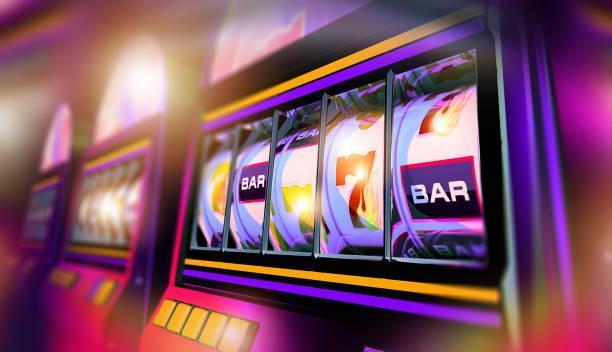
Modern games constantly reinvent themselves through new visuals, faster interfaces and increasingly complex reward systems. Yet many of the mechanics that keep players engaged are not especially new. From repeating symbol patterns to escalating bonuses and familiar risk-reward loops, ideas that shaped early slot machines continue to influence how digital games are designed today.
Simple Mechanics Remain Powerful
The earliest slot machines worked because their rules were immediately understandable.
Players did not need lengthy tutorials. Symbols appeared, combinations mattered and the outcome was delivered quickly. That simplicity created a strong feedback loop, which remains one of the most important principles in modern game design.
Developers across the wider games industry still rely on the same idea. Mobile puzzle games often present one clear objective before gradually introducing additional systems. Arcade-inspired releases tend to prioritise immediate action. Even large role-playing games use small repeating interactions to help players learn complex mechanics over time.
Online slots follow a similar pattern.
A modern title may contain animated characters, themed bonus rounds and several layers of special features but the central action remains familiar. Players understand the basic interaction almost instantly.
That accessibility helps explain why slot design has proven so adaptable. Platforms such as slotsoo.com sit within a market where classic mechanics and newer presentation styles exist side by side, giving players access to games that can feel both familiar and contemporary.
Repetition Has Become More Sophisticated
Repetition is often treated negatively in game design but structured repetition can be highly effective.
Classic arcade games used repeating stages with increasing difficulty. Early platformers reused movement patterns while changing enemy placement or environmental hazards. Slot machines relied on repeated spins while varying the combinations that appeared.
Modern developers have refined this approach rather than abandoning it.
In online slots, repetition is often broken up through features such as expanding symbols, multipliers, free-spin rounds or changing reel layouts. The core interaction stays consistent while temporary variations create moments of contrast.
This pattern appears elsewhere in gaming too.
A multiplayer game might use the same basic match structure while rotating maps and objectives. A racing game may repeat the same driving mechanics across different tracks and conditions. A puzzle game can use one central rule across hundreds of levels.
The principle is straightforward: keep the main interaction familiar and change the context around it.
Bonus Features Echo Older Game Design
Many modern slot mechanics also resemble reward structures found in classic video games.
Earlier games often used extra lives, hidden rooms and bonus stages to interrupt the main loop. These features gave players something different to anticipate without changing the entire structure of the game.
Online slots use bonus rounds in much the same way.
A base game provides the standard experience while bonus features create temporary shifts in pacing. These might introduce additional reels, different symbol behaviour or alternative win conditions.
The appeal comes partly from contrast.
When the main game establishes a rhythm, a temporary variation feels more significant. This is a design technique that has been used for decades.
Modern studios have expanded the idea through increasingly elaborate presentation. Some bonus modes now include narrative sequences, level-like progression or multiple stages. Despite the visual complexity, the underlying concept remains familiar: interrupt a repeated activity with a special event.
That is one reason classic game mechanics remain relevant. They can support much more sophisticated presentation without becoming difficult to understand.
Visual Design Changes Faster Than Core Systems
Graphics may be the most obvious difference between old and new slot games.
Mechanical machines relied on physical reels and a limited group of symbols. Early digital slots recreated that appearance directly. Modern releases can use high-resolution animation, cinematic transitions and themes influenced by fantasy games, mythology, science fiction and popular entertainment.
Yet beneath the surface, many core systems remain recognisable.
This is not unusual in gaming history.
Modern fighting games still use ideas established decades ago. Platform games continue to build around jumping and movement. Strategy games still rely on resource management and positioning.
Successful mechanics survive because players understand them.
What changes is how designers combine those mechanics with new technology. Faster hardware enables smoother animation. Mobile devices encourage touch-friendly controls. Better audio creates stronger feedback. Improved interfaces make complex features easier to follow.
Slots have evolved through the same process.
Familiarity Still Has Creative Value
Innovation in games does not always mean replacing old ideas.
Often it means taking a proven mechanic and placing it in a new setting. Developers can change pacing, visuals and reward structures while keeping the underlying interaction easy to recognise.
Classic slots demonstrate this particularly well.
Their central mechanics have survived multiple generations of technology because they are simple enough to adapt. Modern developers can layer new features over those foundations without losing the clarity that made the original format accessible.
For game historians, that continuity is part of what makes slot design interesting. The technology changes rapidly but the basic principles of repetition, anticipation and reward continue to reappear.
Modern games may look very different from their predecessors but many are still built from ideas that have been familiar to players for decades.