

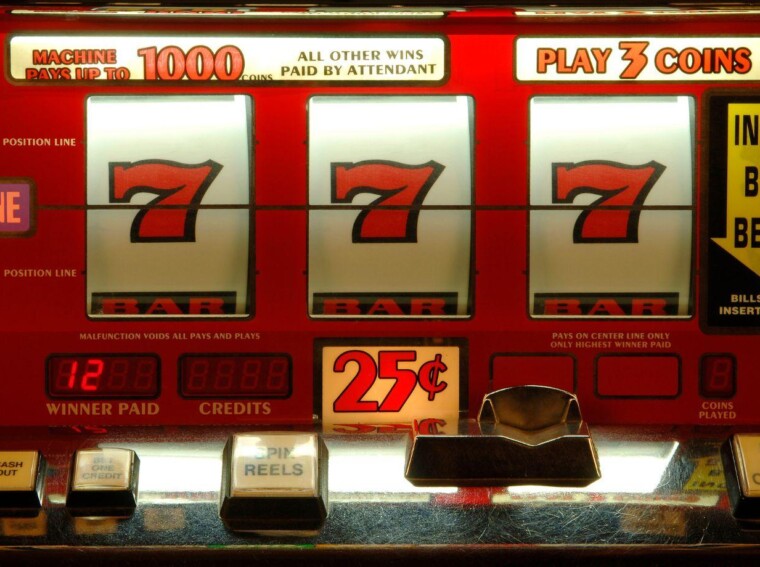
The slot machine is one of the most recognisable gaming devices ever created. Its development over more than a century reflects changes in engineering, regulation and digital entertainment. The basic idea has remained familiar throughout that history: symbols appear after a spin and the resulting combination determines the outcome. The technology behind that process has changed almost beyond recognition.
Charles Fey and the Liberty Bell
Charles Fey is widely associated with the creation of the first modern slot machine in San Francisco during the late nineteenth century. His Liberty Bell machine used three mechanical reels and a small group of symbols, including horseshoes, card suits and bells. Three Liberty Bell symbols produced the largest prize.
The machine attracted attention because it was simple to understand. A player inserted a coin, pulled a lever and waited for the reels to stop. No detailed rules or previous experience were required. That accessibility helped the format spread through bars, shops and other public venues.
The Fruit Machine Era
Manufacturers adapted when gambling rules became stricter during the early twentieth century. Some machines offered chewing gum, sweets or other products instead of cash prizes. Fruit symbols such as cherries, lemons and plums became connected with this period and still appear in modern slot designs.
The BAR symbol is commonly linked to the logo of a chewing gum manufacturer. These images became so familiar that later designers kept using them long after the original products had disappeared from the machines. What began as a response to regulation eventually became part of gaming culture.
Electromechanical and Video Slots
Mechanical machines relied on springs, gears and physical reels. During the 1960s, electromechanical systems allowed manufacturers to add lights, sounds and more complicated payout structures. The lever remained on many cabinets, even when it no longer controlled every part of the mechanism.
Video slots appeared during the following decade. Physical reels were replaced by screens, giving designers more freedom over layouts, symbols and bonus features. Games could include several paylines and animated sequences without needing a larger mechanical cabinet.
Online Slots Today
The next stage moved slot games from dedicated machines to computers, tablets and smartphones. Modern titles use software to create themes, sound effects and bonus rounds that would not be practical on an early mechanical device. Adults who want to see how the format is presented today can view online slots at 711, a Dutch licensed platform operating under regulatory supervision.
Licensed online games use random number generators to determine outcomes. Independent testing checks whether these systems operate according to their stated rules. Information such as return to player percentages may help users understand the mathematical structure of a game. It does not predict the outcome of a single spin or remove the risk of losing money.
How Digital Design Changed the Experience
Digital technology gave designers far more control over presentation. A modern slot may include a story, changing backgrounds, interactive rounds and detailed sound design. Some titles draw inspiration from history, fantasy, television or popular culture.
The basic outcome still depends on chance. Visual effects can make a result feel dramatic, though they do not change the underlying probabilities. Players should separate presentation from value and check the rules before taking part. A spectacular animation is still an animation, even when it behaves as though civilisation has just been saved.
Preserving Gaming History
Early slot machines, arcade cabinets and home consoles face the same physical decline as other old electronic equipment. Metal parts wear down, screens fail and storage media become difficult to read. Museums, collectors and specialist groups preserve these objects so future audiences can study how gaming developed.
Preservation involves more than keeping a cabinet on display. Machines may need repairs using rare parts, while software must sometimes be copied before the original media stops working. Accurate documentation also matters because restored equipment should reflect how it originally operated.
The Shift From Physical to Digital Games
Digital distribution has made games easier to access, but it creates new preservation problems. A physical machine can survive after its manufacturer closes. An online game may disappear when a server is switched off, a licence expires or a platform removes the title.
This makes digital archives increasingly important. Screenshots and recordings show how a game looked, though they cannot always preserve its full behaviour. Saving the software, rules and technical environment provides a more complete historical record.
Why Slot Machines Have Endured
Slot machines have survived repeated changes in technology because the basic format remains easy to recognise. They require little preparation, provide an immediate outcome and can adopt almost any visual theme. That flexibility has helped them move from mechanical cabinets to digital screens without losing their identity.
The format has changed greatly since the Liberty Bell, though chance remains at its centre. Modern regulation, testing and account controls provide more information around the activity. They do not turn it into a predictable form of play. For adults who participate, clear limits on time and spending remain sensible.